
The Chiddicks Observer Edition 66

This week's edition is, in many ways, about looking beyond first impressions. Every article reminds us that there is always more to discover beneath the surface. Whether through poetry, diaries, newspapers, treasured heirlooms or forgotten court cases, these writers show us that every life deserves to be understood in all its complexity. They encourage us to listen more carefully, question more deeply and remember that the greatest discoveries are often not the facts we uncover, but the compassion and perspective we gain along the way.
We begin this week’s edition with what may well be the first poem I have ever shared in The Chiddicks Observer. Once you’ve read it, I think you’ll understand exactly why I wanted to include it.
At its heart, it’s about compassion. It’s about listening without judgement, taking the time to understand someone’s story, and helping them rediscover who they are. But it is so much more than that. Beautifully written by Joanna and deeply moving, it reminds us that understanding another person’s story is one of the greatest gifts we can offer. Sometimes, healing doesn’t begin with advice or answers, it begins when someone simply chooses to listen and understand.
Beginning with a small “Missing Relatives” advertisement in the Montreal Star, Lisa Maguire reconstructs the remarkable life of Joseph Stepina, a Czech immigrant whose journey carried him from New York to Canada, through military service, homesteading and ultimately to a lonely death in British Columbia. More than an expertly researched family history, the article explores how newspapers can preserve not only facts but also the emotions, hopes and regrets of ordinary people. It is a masterclass in narrative genealogy, demonstrating how careful research and thoughtful interpretation can transform a few lines of newsprint into an unforgettable human story.

Using the diaries of Ichabod and Sophia Wright, Ruth Imeson's Fragile Archive paints a vivid picture of illness, grief and medical care in the early Victorian period. The family’s experiences reveal a world in which even minor illnesses could prove fatal, diagnoses were uncertain and treatments sometimes caused more harm than good. Rich in historical context and supported by contemporary diary entries, this article offers family historians valuable insight into the realities that shaped the lives and deaths of many nineteenth-century ancestors.
Family historians know that heirlooms often tell stories no census return or birth certificate can. In this beautifully written article, Bethany reflects on three treasured family objects and the memories, history and perspective they carry across generations. From a Holocaust survivor’s gift to a grandmother’s unfinished drawing completed decades later, the article reminds us that the most meaningful inheritance is often not the object itself, but the stories and values passed on with it.

Military records can reveal far more than dates of service and campaign medals. In another thought provoking post Jennifer Holik reflects on how researching a veteran’s life often helps families better understand the lasting effects of war on parents, grandparents and subsequent generations. A thoughtful article that encourages genealogists to look beyond the records and consider the wider human story.

Should we write in our books? Diamond-Michael Scott argues that we should and history agrees. Beginning with his own reluctance to mark a page, he traces the rich tradition of marginalia from ancient scholars and medieval monks to Leonardo da Vinci and modern cognitive science. More than an essay about books, it’s a thoughtful exploration of how we learn, remember and engage with ideas. I especially liked his observation that the blank margin isn’t empty space but an invitation to think. It made me wonder how many of the books on my own shelves contain conversations I never had because I was too busy trying to keep them pristine.

In this engaging family biography, Jane Chapman reconstructs the life of her great-grandmother Annie Kate “Katie” Pratt (1885–1945), drawing together parish registers, census returns, electoral registers and the treasured memories of a now-departed uncle. The result is far more than a chronology of events; it is a portrait of an ordinary woman whose life reflected the challenges and resilience of many working families in late Victorian and twentieth-century England. This article is a reminder that family history is built not only from documents but also from conversations with relatives whose memories can add colour, personality and emotion that official records can never capture.

Marking the unveiling of a new memorial plaque in Walkern, Hertfordshire, Lin Parker revisits the remarkable story of Jane Wenham, widely regarded as England’s last person formally convicted of witchcraft. Moving beyond the trial itself, the article explores the wider social climate that gave rise to witchcraft accusations and reflects on why remembering these injustices still matters today. It is an excellent example of how local history initiatives can bring forgotten lives back into public memory.
Can a single family heirloom tell the story of a nation? Lori Olson White follows the remarkable journey of a pair of pistols presented by the Marquis de Lafayette to George Washington during the American Revolution. Passing through the hands of Washington’s descendants, Andrew Jackson, and ultimately back to Lafayette’s family, the pistols became a tangible link between generations of American history. What a wonderful example of how an ordinary object can become an extraordinary historical witness.

We finish with a little piece of personal news...
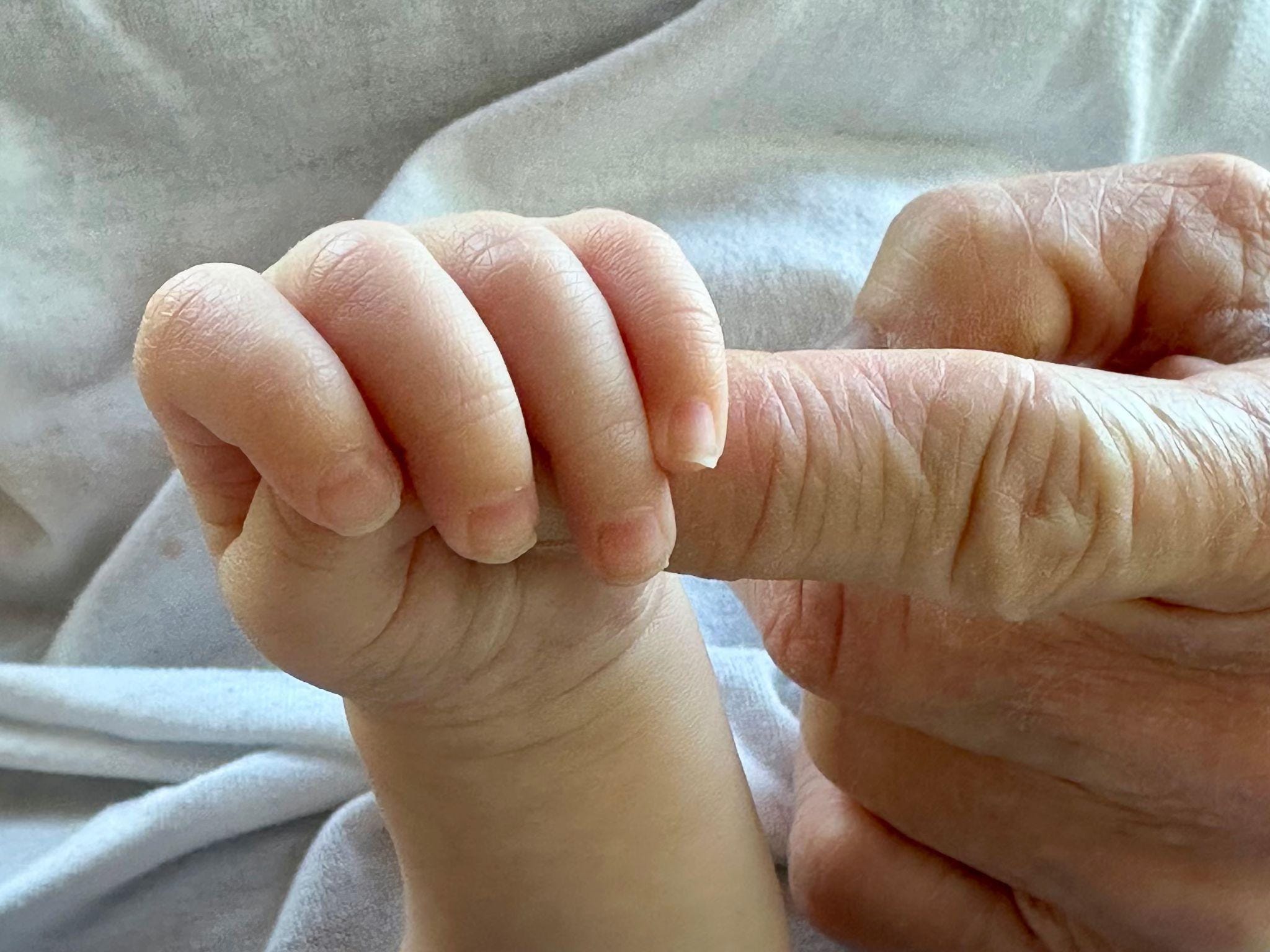
This week, I found out I’m going to be a grandad for the very first time.
It’s one of those moments that quietly stops you in your tracks. You find yourself thinking about all the years behind you, and all the little moments still waiting to unfold. I can’t wait to meet this tiny new person and discover the stories we’ll one day share.
A whole new chapter begins.
As this week's edition comes to a close, I hope it has reminded you that there is always more to discover beneath the surface. Every article has shown us that the richest stories are found when we take the time to listen, to question and to understand. Whether through poetry, diaries, newspapers, treasured heirlooms or forgotten lives, each writer has revealed something profoundly human. Long after the facts have been recorded, it is compassion and understanding that give those stories their lasting meaning.
I spend a lot of time researching and sharing these family connections, so if this post helped you uncover part of your family story, you can support my ongoing research here:

If you’d like to follow more of my research and stories, you can explore more here:
An endless parade of extraordinary stories.
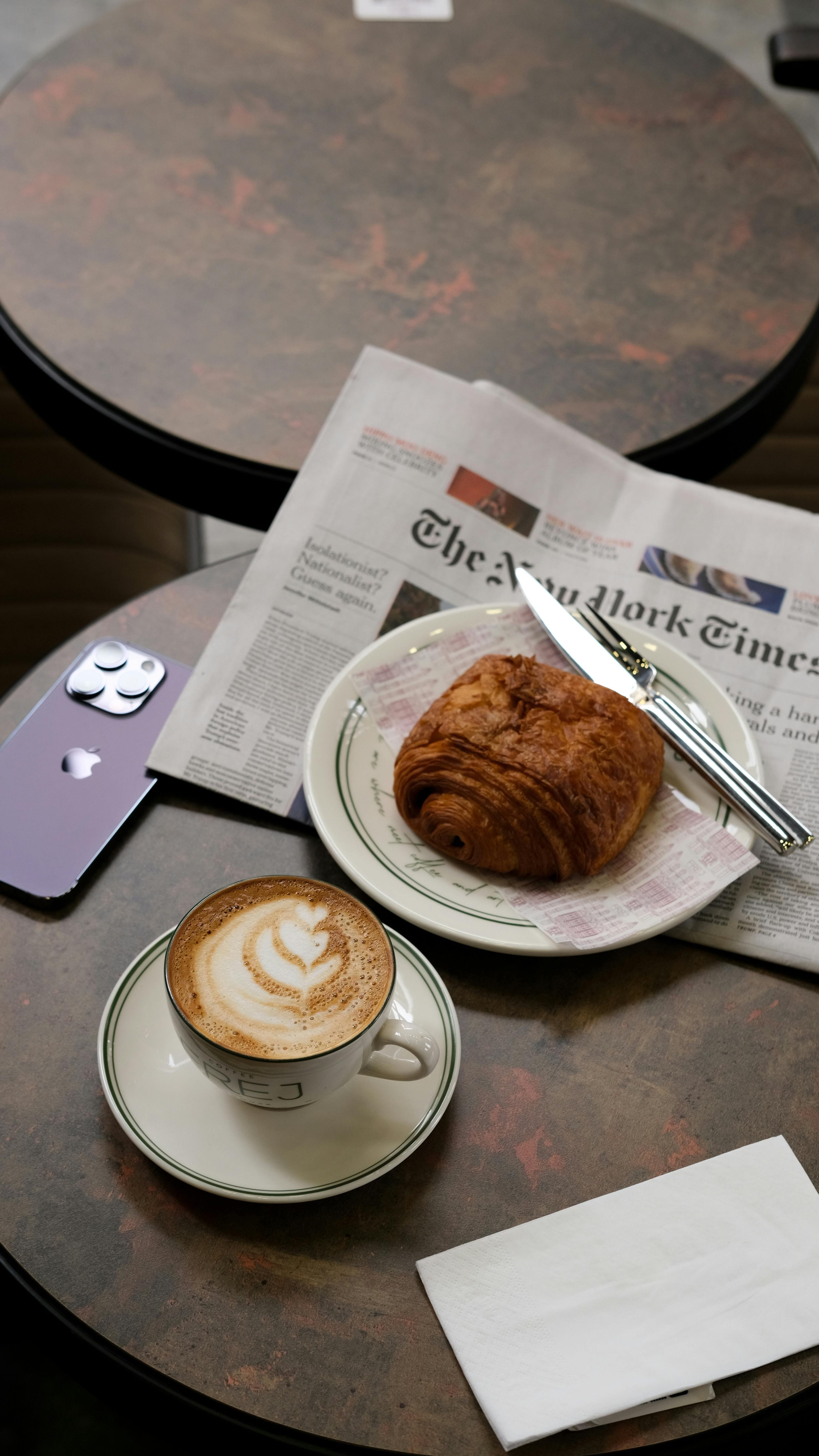
Thank you, Paul. This is always such a lovely way to review the previous week with you. It is as if we’re sitting at a cafe as you review what you read last week. Your memory astonishes me. 😉
And gosh, congratulations on the coming little one. Indeed a new chapter begins. May I get you another cappuccino?