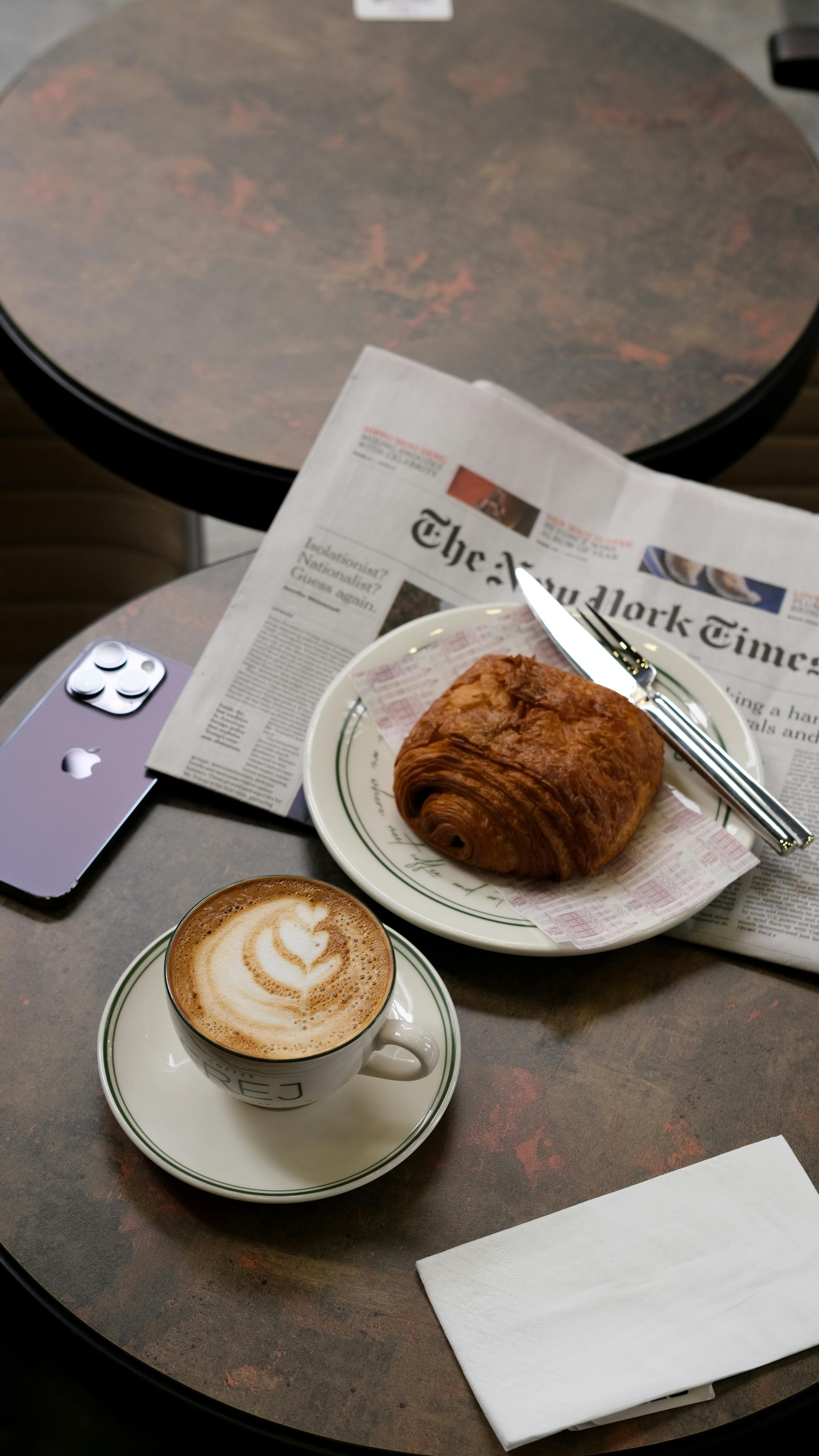
The Chiddicks Observer Edition 44

Life has a way of keeping us on our toes, and this week’s Chiddicks Observer comes to you a little later than planned, but full of stories that are well worth the wait. Inside this edition, you’ll find a wonderful mix of moments that make you smile, stories that make you pause and reflect, and pieces that tug at the heart while making you gasp, laugh, or even shed a quiet tear. From playful challenges and behind-the-scenes glimpses into the writer’s craft, to heartfelt family memories, emotional resilience, Victorian scandal, and chilling true crime, this week reminds us why family history is so endlessly fascinating: it is, at its core, the story of people, their lives, choices, and the legacies they leave behind.
So lets start the ball rolling with a bit of fun from Linda Caroll
Can you tell which of these images are real and which are AI generated. Trust me you’ll be amazed!

Ollie - ifOnlyi... post is a powerful reminder of something we, as family historians, have always understood at our core: family comes first. Ollie heard his family’s “call” and responded without hesitation. For all of us who value preserving our shared story, his actions reaffirm what our research has shown again and again: the strength of our family has never rested in circumstance or status, but in the unwavering commitment we have to one another.

This post is part of “Letters to My Daughters,” a series sharing family letters written in 1994 to Kirsi Dahl’s then‑toddler daughter, Kaylee, by relatives who were asked to record a memory of a historical event or story for her future self. Decades later, these letters, originally addressed to Kaylee but now gifted to both daughters, Kaylee and Alayna, are being revisited with added context, reflections, and occasional updates from the writers and my daughters. A priceless memory to share and enjoy.
“What will the neighbours think!”

One of the real pleasures of following thoughtful writing is being invited behind the finished piece into the quiet space where ideas are tested, reshaped, and refined. That is exactly what Lori Olson White offers in her series Margin Notes.
In Margin Notes, Lori pulls back the curtain on the writing process itself, not just the polished article that reaches print, but the layers beneath it. She shares her approach, her research methods, the structuring decisions, the questions that arise along the way, and the inevitable challenges every writer must navigate before a story is ready for readers. For those of us immersed in family history and storytelling, this kind of transparency feels especially meaningful. We know firsthand that the journey to a finished narrative can be just as compelling as the story itself.
Family historians will recognise much of what Lori describes: the hours spent verifying details, the careful weighing of sources, the moments of doubt, the ethical considerations, and the responsibility that comes with telling real lives truthfully. Her reflections remind us that good storytelling, whether journalistic or genealogical, is never accidental. It is built patiently, thoughtfully, and with integrity.

Linda Stufflebean Has written this beautifully researched and sensitively told account of Nellie (Jeudevine) Brundage’s life and tragic early death. Linda took what began as a simple gap in a family history and uncovered a story that reads like historical fiction, yet reminds us these were very real people whose lives were laid bare in the newspapers of the day. Linda’s work highlights both the power and the poignancy of deep genealogical research, especially when there are no descendants left to remember. A compelling, compassionate piece and a fascinating glimpse into Victorian-era scandal

I am delighted to introduce my first new Substacker to you The Doctor Unbound
This post carries a truly powerful message, one that lingers long after you’ve finished reading. It speaks with honesty and depth about experiences that many people carry quietly, often for years.
If you’ve endured any form of emotional trauma in your life, I believe this piece will resonate deeply. There is courage in sharing such reflections, and there is strength in recognising parts of our own journey in someone else’s words. It’s a moving reminder that while our experiences may differ, the emotions that shape us are often shared and that understanding can be both validating and healing.
My second new writer I’m delighted to bring to your attention is Rain Aldous
This is a truly beautiful and deeply thought-provoking post. I’ve always been a great believer in instinct and in that quiet inner guidance, in following the subtle pull of something that feels familiar long before we can fully explain or understand it. So much of what shapes us in life isn’t announced loudly or neatly documented; it’s sensed, absorbed, repeated, and often inherited in the most subtle of ways.
There is real courage in choosing to build before you have absolute proof, and in trusting that what endures does so for a reason. That kind of faith, in yourself, in your story, in the unseen threads that connect past and present, is no small thing. This piece truly resonated with me, and I suspect it will with many others as well.
Did I hear someone shout ROOTSTECH?
I’m excited to share that two fantastic partners are collaborating for a special RootsTech “ride-along” and it promises to be something a little different. If you enjoy learning alongside others, discovering new insights, and experiencing events through a shared lens, this is one to watch.
Why not hop on board and follow along? It’s a great way to feel part of the action, pick up fresh ideas, and connect with the wider family history community, all while enjoying the journey together.
Thanks to Barbara at Projectkin and GeneaBloggers for making this happen.

Dr Angela Buckley fascinating post takes us behind the scenes of Scotland Yard’s infamous “Black Museum,” lifting the curtain on one of the most intriguing corners of criminal history.
The Black Museum has long captured the public imagination, and this piece does a superb job of guiding us through its darker exhibits while maintaining historical insight and balance.

As with almost every episode of the Chiddicks Observer, we find ourselves closing with a murder and this time, it is a very real crime and a chilling Victorian crime scene presented by Lucy Worsley
In this gripping account, we are taken through the story of the “Two Sarahs” and their determined attempt to help catch London’s infamous Torso Murderer, a shadowy figure responsible for the deaths of four women in London during the 1880s. The case remains one of the era’s most disturbing and perplexing series of crimes, unfolding against the dark backdrop of late-Victorian London.
What makes this telling so compelling is not only the brutality of the murders, but the human element, the courage, the fear, and the dogged pursuit of justice in a time when forensic methods were still in their infancy.
A dramatic and fitting, if sobering way to close another episode.

As we bring this week’s Chiddicks Observer to a close, I’m struck once again by the extraordinary range of stories that family history holds, from light-hearted moments and treasured letters, to quiet resilience, public scandal, and the darker chapters of our shared past. Each piece reminds us that genealogy is not simply about discovering what happened, but about understanding how people lived, loved, struggled, and endured. Thank you for continuing to read, to reflect, and to support these writers and their work. In the weeks ahead, there will be more new voices, more unexpected discoveries, and undoubtedly a few more twists and turns along the way. After all, if history teaches us anything, it’s to expect the unexpected.
Why not check out my blogging websites: